
Diagnosis First
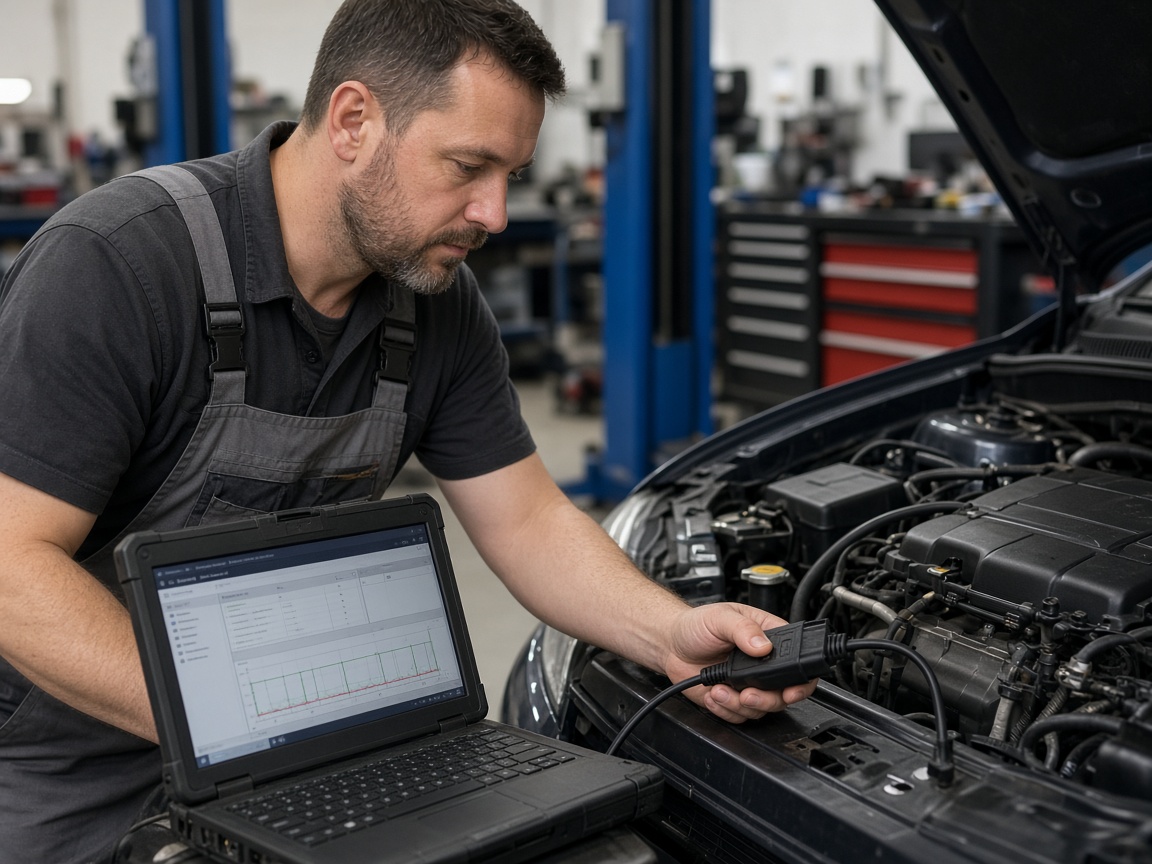
Claims start with verified diagnostics, not guesswork. We ask shops for codes, test results, and failed-part identification before authorization.

Our Story
Street Service began with a simple observation: drivers were buying vehicle service contracts they could not explain, then fighting for repairs the paperwork never clearly included. We rebuilt the experience around listed components, honest exclusions, and a claims desk that talks to technicians in their language.
Today we help private owners, fleet coordinators, and independent shops enroll vehicles in powertrain, standard, and bumper-to-bumper protection. We do not operate as a dealership add-on counter. Every plan is reviewed against mileage, service history, and how the vehicle is actually used.
Claims start with verified diagnostics, not guesswork. We ask shops for codes, test results, and failed-part identification before authorization.
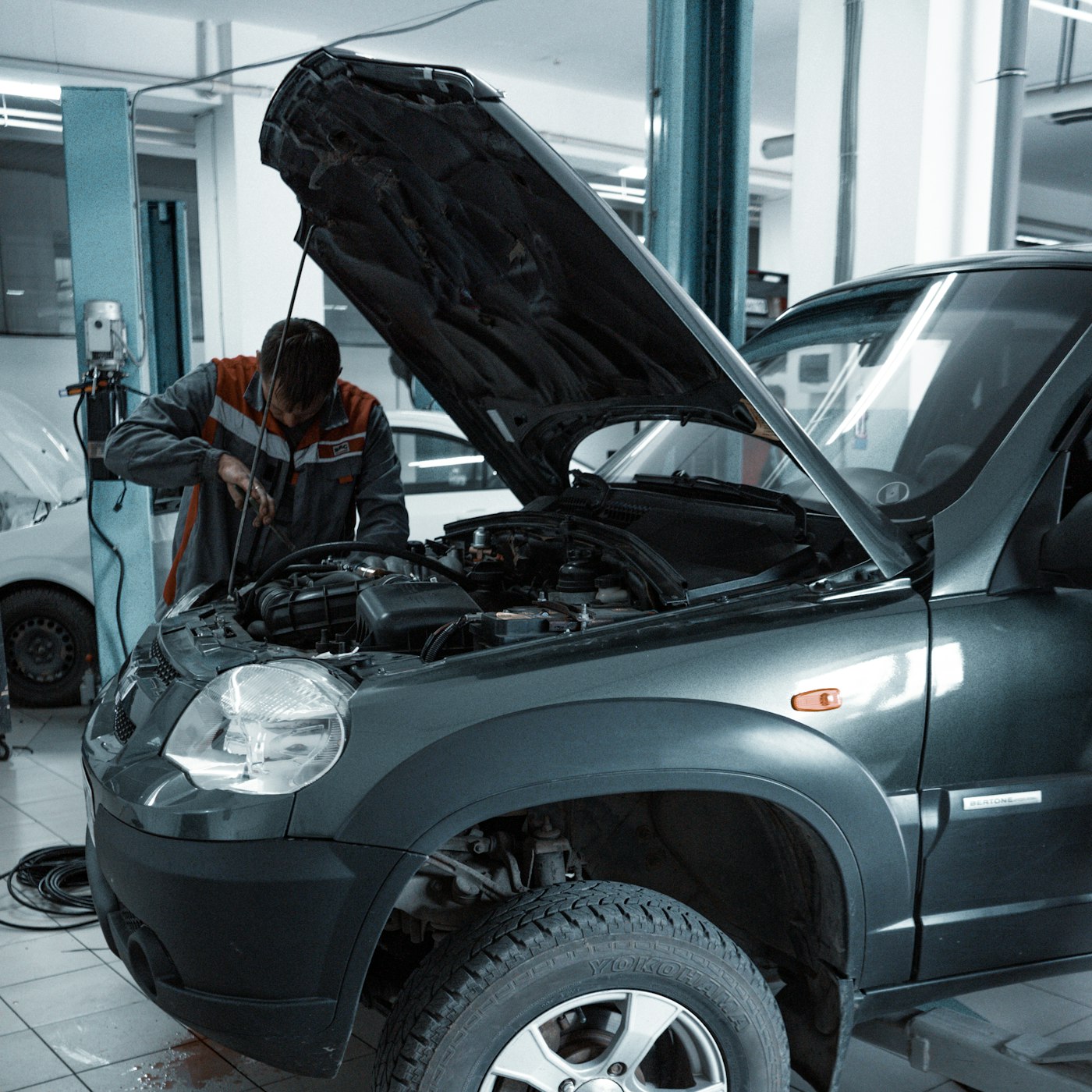
Once a listed component fails from a covered mechanical breakdown, we coordinate parts, labor guidelines, and the customer deductible.
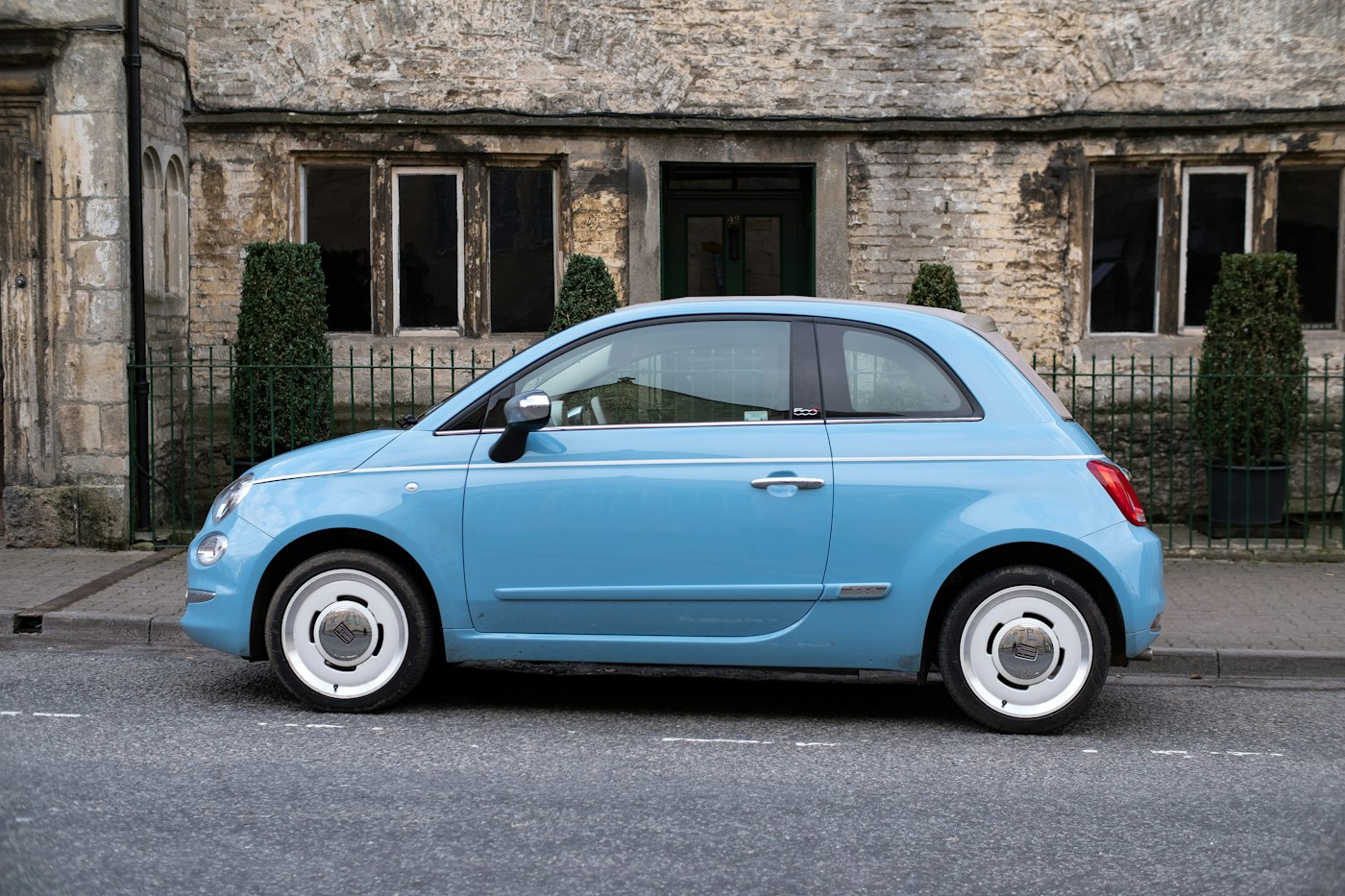
Coverage is about keeping a good vehicle on the road. Plans are sized so monthly protection stays smaller than a surprise gearbox bill.
Why Drivers Stay
A vehicle service contract only works if the shop can get a decision. Street Service built its claims workflow around photos, diagnostic printouts, and clear yes/no coverage notes. That keeps your technician working instead of waiting on hold.
We also educate owners before they buy. If a plan will not cover wear items, seals in some circumstances, or pre-existing damage, we say so on the quote call. That honesty is why so many of our renewals come from people who already used the policy once.
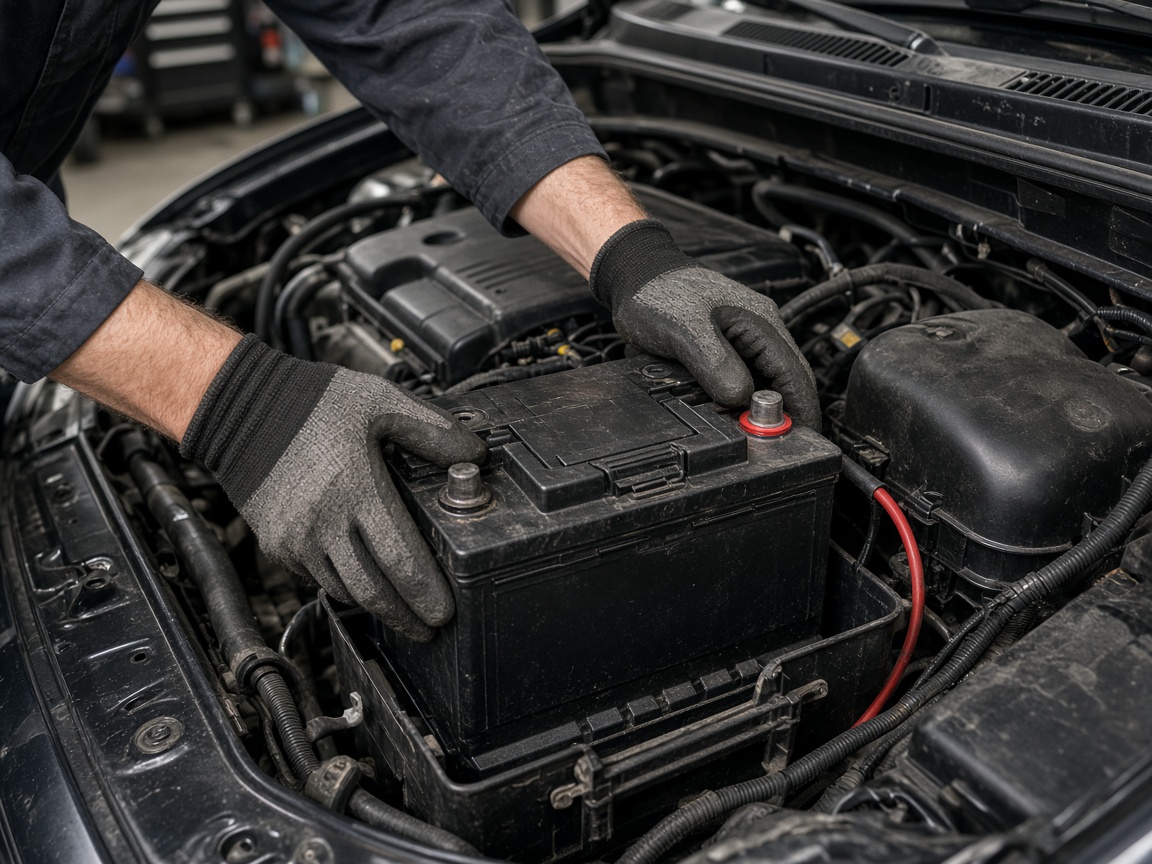
Values
Coverage pages name parts. Exclusions are grouped, not scattered through footnotes. You should be able to explain your plan to a shop in one minute.
We treat repair facilities as partners. Authorization is a technical conversation, not a script designed to delay work.
Plans are built so a vehicle can stay in the family, move to a new owner, or stay in a small fleet without starting from zero.